

Low Back Disorders

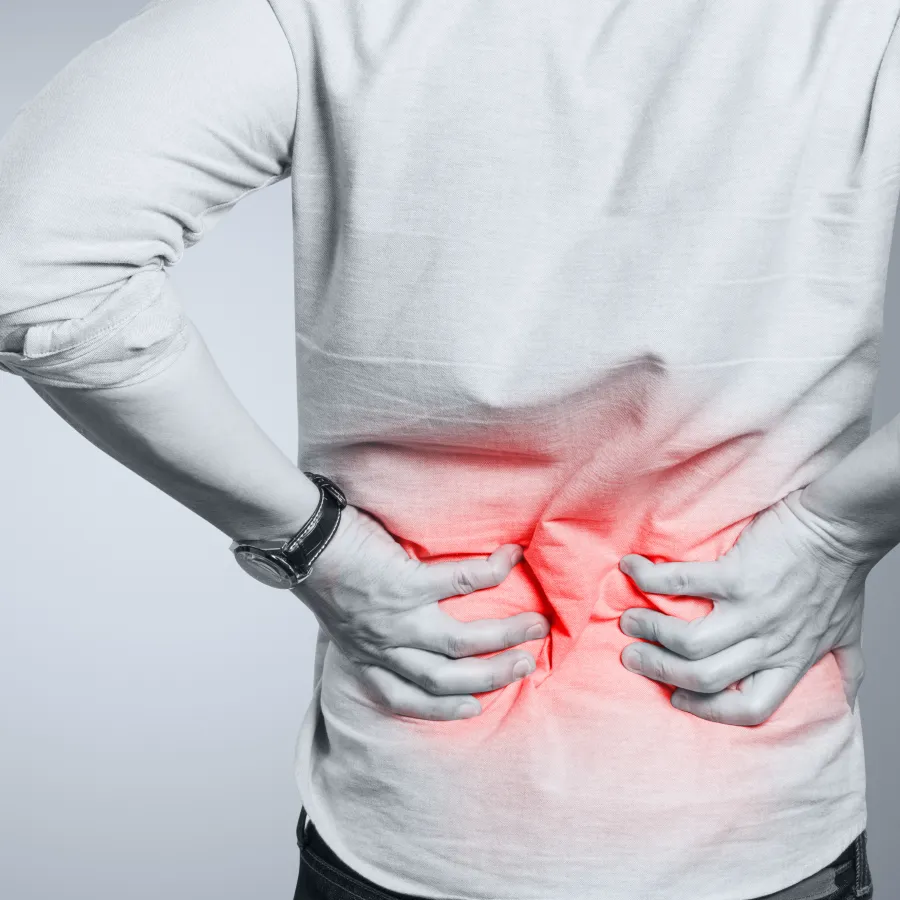


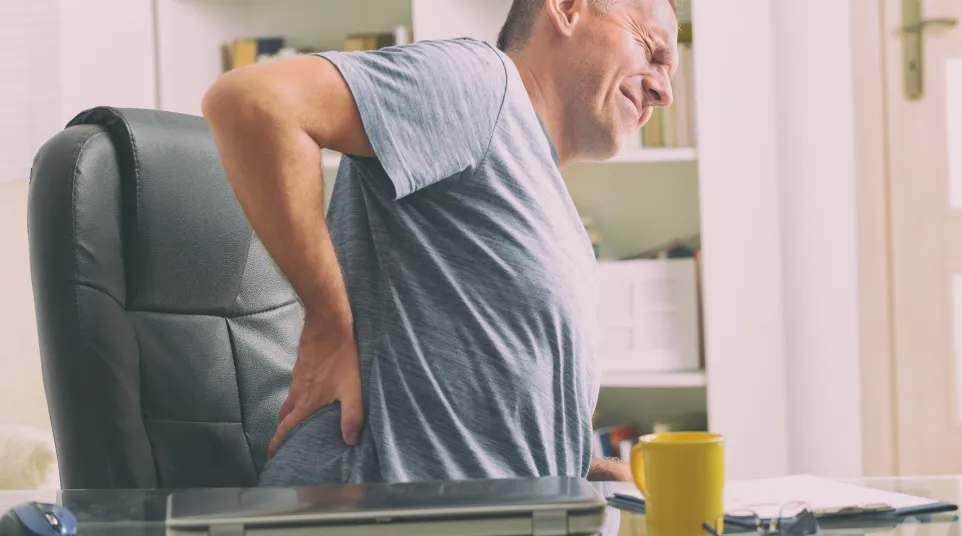
Back pain is very common in both athletes and non-athletes alike. It can vary from a nagging, nuisance type of ache to a severe incapacitating pain. The cause of back pain is complex and varied. The following are the four main causes of back pain.


Treatment







Sports
When back pain is severe, all sports are obviously impossible. When you do return to sporting activity, the best sports are those that keep the back straight and do not involve jarring and twisting movements which aggravate the condition. Try to maintain your pelvic tilt (see exercises) during your sport.
Sports That Are Easiest On Your Back
- Swimming (especially on your back)
- Cycling (stationary)
- Walking
- Skating
- Questionable Sports (These may be alright for some people but bad for others):
- Jogging
- Skiing (downhill and cross-country)
- Baseball
- Hockey
Sports That Are Particularly Hard On Your Back
- Diving (avoid at all times)
- Racquet sports
- Football
- Volleyball
- Basketball
- Running fast or downhill
Questions and Answers
Q
Why do I have back pain?
There are many structures in the spine which may become strained, injured, worn, or diseased. The spinal column is made up of 33 vertebrae, which work together to provide flexibility in motion, protection for the spinal cord, support for the upper body, and force redistribution. The vertebrae are separated from each other by soft-centered discs. If these vertebrae become inflamed, get moved out of line, or press too hard on the discs, you may suffer back pain.
The spine, which is supported by muscles and ligaments, may become strained or weakened. This can lead to muscle spasm and resulting back pain. Most back pain can be caused by sprain, muscle weakness, tension, or arthritic conditions.
Q
How does a muscle strain happen?
Muscle strain (stretching beyond normal limits) may result in inflammation of the muscle fibers and spasm of those fibers and adjacent fibers. Chronic muscle strain may be a result of poor posture or overuse of muscles. Lifting and turning at the same time, lifting too much weight, or twisting into an awkward position may strain the involved muscle group. Strains can occur in any area of the body - back, neck, leg, shoulder, etc.
Muscle strain can also be caused by lack of adequate warm-up exercises, certain traumatic conditions, and being overweight.
Q
Why is bed rest recommended?
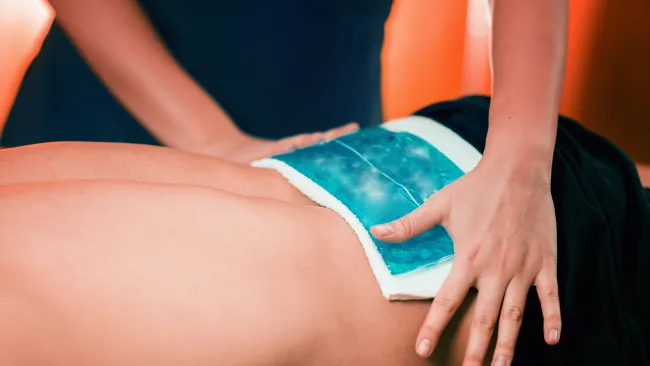
Bed rest is often recommended in order to allow the injured area to heal without any further stress. The amount of bed rest prescribed by your doctor will vary according to your condition. Your physician may also recommend dry or wet heat. Occasionally, cold, such as ice massage, may be effective in the temporary relief of acute muscle spasm.
Q
What role does exercise play?
Supervised exercise is the most common treatment for muscle strain. Strong muscles help support your back, and proper tone can improve posture and reduce the chance of muscle strain.
An exercise program should begin once the acute muscle spasm has subsided. CONSULT YOUR DOCTOR BEFORE ATTEMPTING ANY EXERCISES. If your doctor recommends an exercise program for you, start slowly and do not overdo it. Follow your doctor's instructions carefully, and consult your doctor if pain occurs.
Basic Low Back Syndrome Conditioning Exercises
These exercises are designed to strengthen a back that has been weakened by a strain, defect, disease, or a simple lack of exercise. CONSULT YOUR DOCTOR BEFORE ATTEMPTING THESE EXERCISES. If your doctor recommends any of these exercises for you, start them slowly. Do not overdo it! Follow your doctor's instructions carefully. Consult your doctor if pain occurs.
Starting position for all exercises: lying on the floor, knees and hips bent with back flat and neck comfortably supported, arms to the side, and feet flat on the floor.
With both hands on one knee, bring the knee up as near to the chest as possible. Return it slowly to the starting position. Relax. Repeat, alternating with each leg, 10 times.
Tighten the abdominal muscles and hold the back flat, then bring both knees up to the chest, grasp the knees with the hands, and hold the knees against the chest about 30 seconds. Return slowly to the starting position. Relax. Repeat 5 times.
Bring one knee to the chest; straighten the knee, extending the leg as far as possible; bend the knee and return to original position. Relax. Alternate with the opposite leg. Repeat 5 times. This exercise is NOT recommended for patients with sciatic pain.
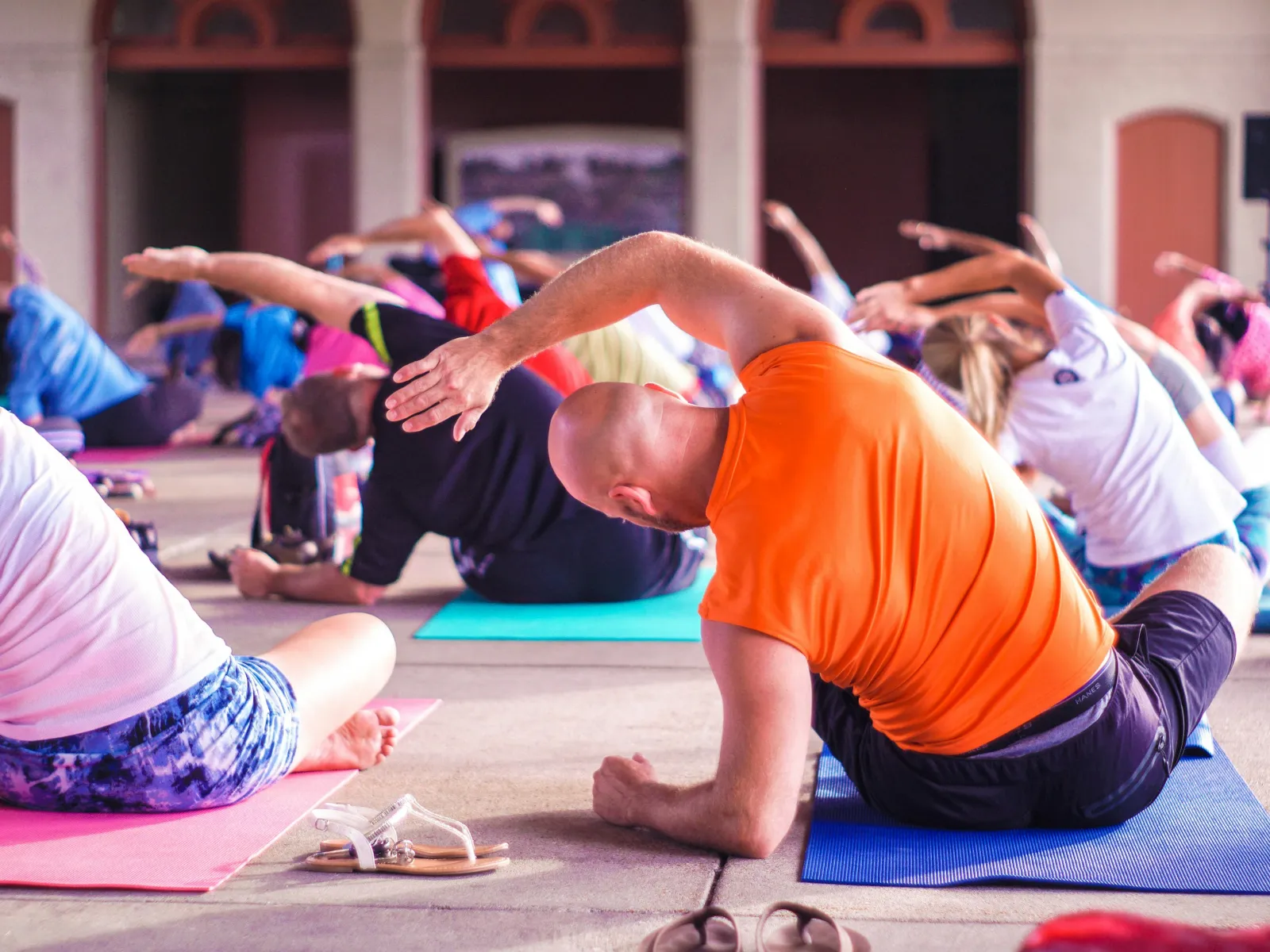
Exercises for Better Back Care
General Instructions
Your best back support is derived from your own back muscles! Faithful performance of back exercises often avoids the necessity of an external brace or corset. Back muscles can give you all the support needed if you strengthen them by routine performance of prescribed exercise.
Exercises
Follow the exercise routine prescribed by your doctor. Gradually increase the frequency of your exercises as your condition improves, but stop when fatigued. If your muscles are tight, take a warm shower or tub bath before performing your back exercises. Do not be alarmed if you have mild aching after performing exercises. This should diminish as your muscles become stronger.
Exercise on a rug or mat. Put a small pillow under your neck. Wear loose clothing; no shoes. Stop doing any exercise that causes pain until you have checked with your doctor.
Helpful Hints for a Healthy Back





Resources
- Olecranon Bursitis
- Osteochondritis Dissecans (OCD)
- Patellofemoral Syndrome
- Plantar Fascitis (Heel Spurs)
- Ruptures Of The Achilles Tendon
- Shoulder Impingement, Bursitis & Tendonitis
- Shoulder Instability
- Shoulder Pain
- Stingers
- Tendonitis (Tennis Elbow)
- Total Knee Replacement
- Trigger Finger
- Total Hip Replacement