
Fall Prevention
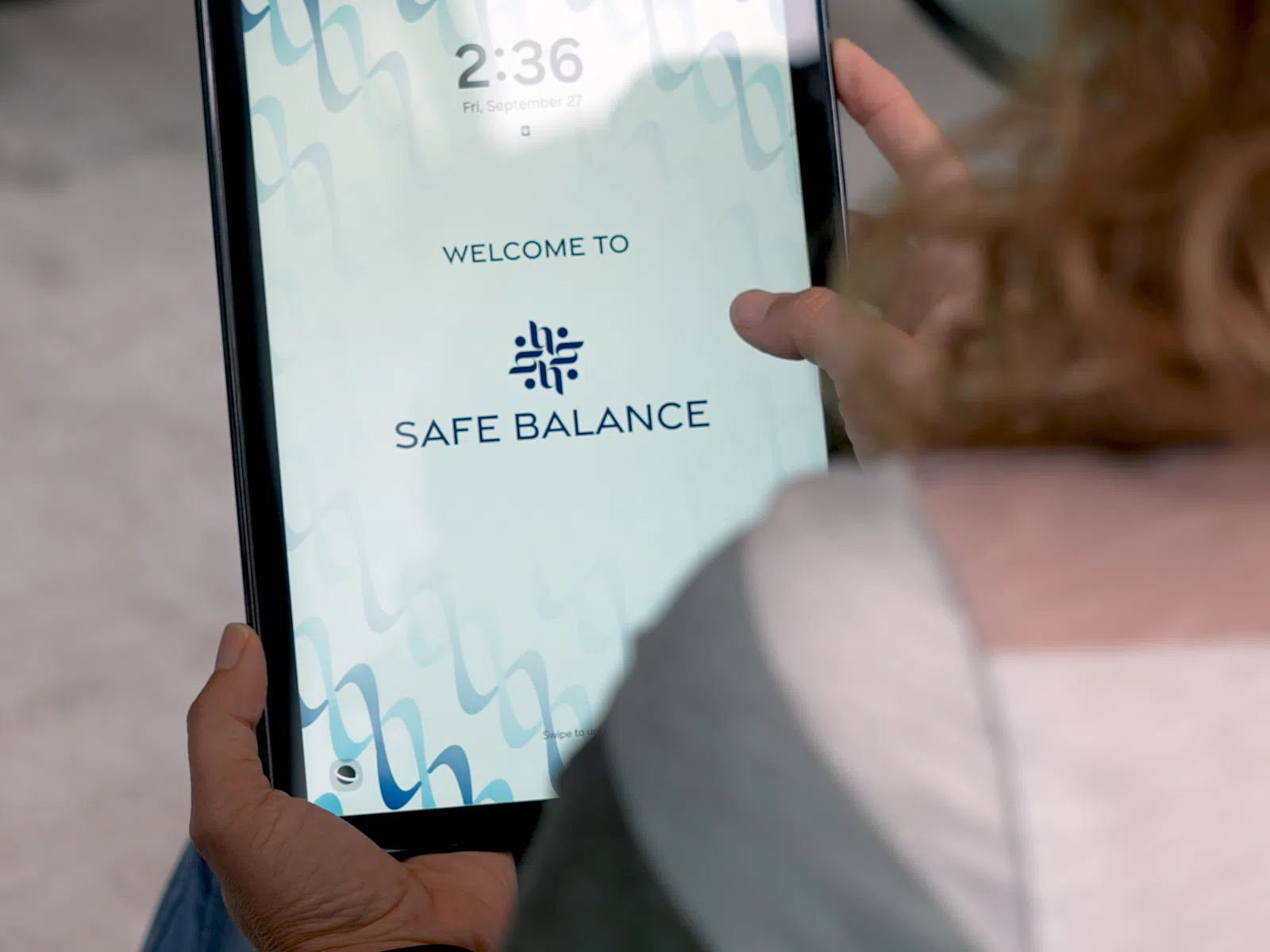
Safe Balance is a comprehensive fall prevention solution designed to help individuals maintain their balance, improve mobility, and reduce the risk of falls. Falls can significantly impact a person's independence and quality of life, but we offer a proactive approach to preventing them.
By presenting patients with a personalized care plan tailored to their specific needs, we can identify three main areas of risk - physical, environmental and psychological/medicinal.
Using Safe Balance technology, we help empower you to move confidently, reduce your fear of falling, and enjoy a healthier, more stable way of life. With Safe Balance, you will receive the resources, education, and care you need to stay safe, strong, and mobile for years to come.
A fall risk assessment may be recommended as a part of your care plan. If an assessment is recommended, you will fill our a brief survey and complete a short balance test. Then, your provider will review the results with you and create a plan to help you prevent falls.
Frequently Asked Questions
Is this covered by insurance?
Safe Balance coverage varies from plan to plan. The Safe Balance assessment is billed to your insurance separately from your office visit, and may be subject to copays or deductibles. This assessment may appear on your Explanation of Benefits (EOB) and may also count toward your total allowed therapy visits.
Please consult your insurance provider for details.
Why am I filling out a separate survey?
The Safe Balance assessment is a separate, specialized tool used during your visit to collect specific fall risk data, that is different from your usual new patient forms. The questions are based on CDC STEADI guidelines and help identify potential fall risks, some of which may not be visible yet.
For more information, visit the CDC's Website: https://www.cdc.gov/steadi/about/index.html
Do I need this test if I don't have balance issues?
Yes. Even healthy adults benefit from a fall risk baseline. This allows your provider to find small changes early and create a personalized care plan.
The Safe Balance Assessment helps identify both current and potential fall risks. It reviews factors like medication, neurological function, and mobility to support prevention, recovery, and healthy aging. You'll receive a personalized report with clinical recommendations to improve safety and mobility.
Fall Facts
“Each year, there are about 1 million fall-related hospitalizations among older adults.”
- Centers for Disease Control and Prevention, National Center for Injury Prevention and Control. Web-based Injury Statistics Query and Reporting System (WISQARS) [online]. Accessed March 11, 2024.
“While not all falls result in an injury, about 37% of those who fall reported an injury that required medical treatment or restricted their activity for at least one day.”
- Moreland, B, Kakara, R, & Henry, A. Trends in Nonfatal Falls and Fall-Related Injuries Among Adults Aged≥ 65 Years—United States, 2012-2018. MMWR Morbidity and Mortality Weekly Report. 2020 Jul 10;69(27):875-881. DOI: 10.15585/mmwr6927a5.
“Many people who fall, even if they're not injured, become afraid of falling. This fear may cause a person to cut down on their everyday activities. When a person is less active, they become weaker and this increases their chances of falling.”
- Vellas BJ, Wayne SJ, Romero LJ, Baumgartner RN, Garry PJ. Fear of falling and restriction of mobility in elderly fallers. Age Ageing. 1997 May;26(3):189-193. DOI: 10.1093/ageing/26.3.189.